
Feel Empowered & Accept What You CanNot Change....!!
If you’re serious about creating the life you've dreamt of with confidence, clarity, and without fear of being judged because you are different from everyone then the Feel Empowered Accelerator is for you.
Unlike short beginner courses that give you an overview, the Accelerator is a step-by-step, live and interactive program designed to take you from “where you are now” to a confident, empowered individual who uses their disability as their superpower to live your best life possible
This is not a DIY course you do alone.
It’s a 12-week mentorship experience with live workshops, direct feedback, and personalised support from me, so you stay accountable, stay motivated, and stay on track.
By the end of the 12 weeks, you'll have learnt:
Structure and Consistency: The fixed 12-week timeline provides a clear roadmap and encourages the development of consistent daily habits, which is key to lasting transformation.
Knowledge and Skills: A central element is providing participants with the tools, knowledge, and insight to make informed decisions and tackle challenges on their own terms.
Support and Community: Many programs emphasize the importance of a support network, including trusted practitioners, coaches, and peer groups, to share experiences and provide ongoing encouragement.
To "feel empowered" means moving from feeling helpless or stuck to feeling confident, capable, and in control of your choices and life.
A 12-week psychological or relationship-focused program often uses specific milestones to rebuild self-worth and control:
Weeks 1–4 (Awareness): Identify limiting beliefs, triggers, and "mind chatter." This stage is about raising conscious awareness of internal obstacles.
Weeks 5–8 (Shifting): Learn to set boundaries and process core emotions. Many programs focus on shifting from a "defensive" to a "protective" mindset.
Weeks 9–12 (Solidifying): Reinforce positive changes and create a long-term growth plan to make the empowerment permanent

Meet your trainer: Joanne Whittaker
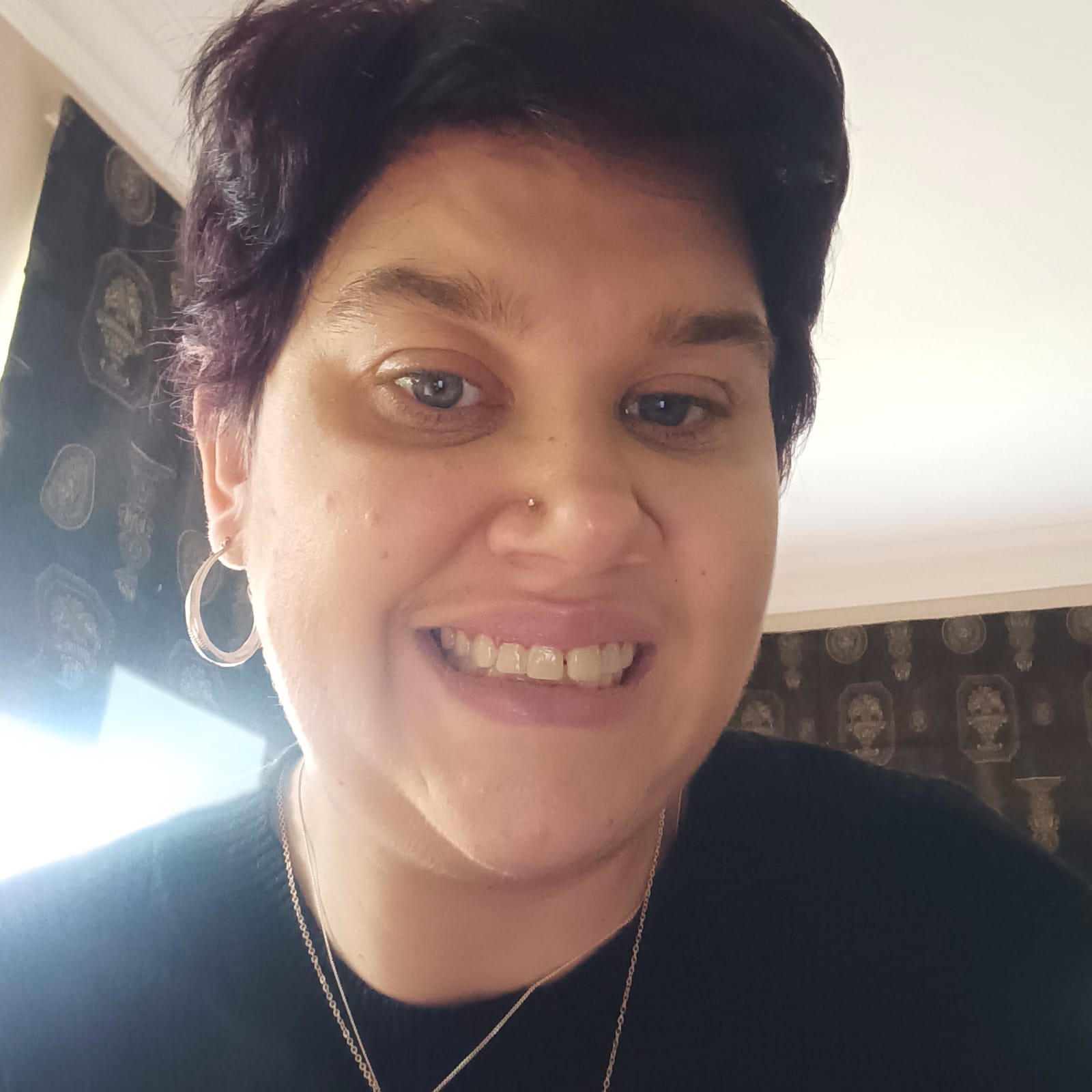
Hi, I’m Joanne👋
I’m Joanne and I grew up in London many of you may not be aware but there is a side of me that you wouldn't even know existed if you were to take one look at me you would think that I was a normal person
BUT I was born with right side Hemiplegia which means my right side has muscle paralysis and weakness and is more commonly known as Cerebral Palsy
Living with a disability is not easy
When I was born the doctors told my parents that I'd never walk, talk or live a normal life but my parents were determined to prove the doctors and medical staff wrong, which my mum totally has and now im here to help you feel empowered to live your best life possible
When I was a new born baby I was completely unaware that I was disabled I had to stay in the intensive care unit for about 10 days all's my mum had was a picture of me beside her when all the other mums on the ward had their babies next to them
I spent the first two and a half - three years bum shuffling across the floor my mum used to say that I looked like a crab
I had countless physio appointments and casts fitted to my leg to strengthen my leg as my right leg was slightly shorter than my left
I didn't start walking until I was coming up to 3 years old and being different started to become apparent I was walking differently to other kids and I could sense that people were just looking at me
I was self conscious and I used to dread summer because I couldn't wear the clothes that other little girls wore because I had to wear supportive shoes which at the age I was were unfashionable and I used to have to wear a splint to help me walk better
I left college at 18 after studying health and social care and went into the world of work I found it a huge challenge and very overwhelming
I started working as a home carer visiting the elderly in their own homes and providing care duties which included personal care, medication reminders , shopping ,washing , cooking, cleaning etc
I have been through my fair share of caring companies
I have done everything from domiciliary care , care homes, live in care always working for an employer
In 2018 I made the decision to go self employed I was still working as a carer but the difference was I could choose my own hours pay and clients and I've never looked back
I'm still caring on a self employed basis but I also wanted to find a way to help other people living with a disability feel empowered and show that living with a disability doesn't have to put a halt on your life
My disability is classed as invisible because to look at me you would never think that I was living with a disability most people mistakenly think that I have a stroke I wanted to change that and that's when everything changed and Joanne Whittaker- The Girl That Empowers People Living with a Disability , accept yourself for who you truly are was born which has given me a purpose to make a change and show that disabled people are just like anyone else and can achieve anything they desire despite their limitations
I went all in.
started growing my audience and sharing my story on social media
Built multiple streams of income through different avenues
Gained paid brand collaborations and coaching clients
And most importantly, gained the freedom to design life on my terms
It wasn’t always easy. I spent countless hours figuring out what worked and what didn’t, and I made a lot of mistakes along the way.
But those mistakes become lessons, and now I’ve packaged everything I’ve learned into "The Feel Empowered & Accept What You CanNot Change....!! Course" so you don’t have to waste the same time I did.
Today, i am known as "The Girl That Empowers People Living with a Disability , accept yourself for who you truly are "💕
If you’ve ever felt like this life wasn’t meant for you, I’m living proof that it is.
And I can’t wait to help you live the life you have always dreamt of
The 12-Week Content Creator Accelerator Curriculum
Here's what we'll cover together:
Week 1 – Building Confidence & Overcoming Fear
Crush imposter syndrome and comparison
Learn how to show up online even if you feel like a beginner
Reframe your mindset so you start acting like an equal member of society despite the challenges you face on a daily basis
Week 2 – Embracing Your Personal identity
Some people chafe at how I embrace a disabled identity, because many people (my past self included) hold onto old ideas of “disabled” as weak, bad, or sad, and for someone like myself who has the option to look able-bodied, a sort of capitulation.
The identity is hugely empowering. Since I have accepted that my body has limitations that require accommodations, I have been much more comfortable in my skin and i am able to share with you the exact skills and techniques that allowed me to live my life on my terms with the freedom to do what i want when i want
Week 3 – Content Foundations & Strategy
Person-Centered Approach: Empowerment starts by seeing the person, not the disability, and focusing on their unique needs, preferences, interests, and aspirations.
Self-Determination and Choice: True empowerment requires individuals to have control over their own lives and make informed decisions, from daily choices like what to wear or eat to major life decisions about employment and healthcare.
Rights and Respect: Recognizing and upholding the rights of people with disabilities (such as those outlined in the UN Convention on the Rights of Persons with Disabilities or national laws like the UK's Equality Act 2010) is fundamental to ensuring dignity and equal opportunities.
Inclusive Environments: Empowerment is a societal responsibility requiring the creation of accessible and inclusive environments, both physically (ramps, accessible transport) and digitally (screen readers, captions).
Strengths-Based Focus: Shifting the focus from limitations and challenges to an individual's strengths, abilities, and unique talents helps build confidence and a positive self-image.
Key Strategies for Fostering Empowerment
Individual Strategies
Build Self-Esteem and Confidence: Use positive reinforcement and celebrate achievements, no matter how small, to build a growth mindset.
Develop Life Skills: Provide training and support for essential life skills such as cooking, budgeting, personal hygiene, and household management. Breaking tasks into manageable, step-by-step processes can build both competence and confidence.
Encourage Self-Advocacy: Empower individuals to express their needs, wants, and rights effectively. Role-playing and peer mentoring programs can help develop assertive communication skills in a safe environment.
Promote a Healthy Lifestyle: Encourage regular, adapted physical activity and a balanced diet, which can boost mood, reduce stress, and improve overall well-being.
Leverage Assistive Technology: Utilize tools like screen readers, voice-activated devices, or reminder apps to enhance independence in daily tasks.
Systemic and Community Strategies
Facilitate Social Inclusion: Support participation in hobby groups, sports clubs (including adaptive sports), volunteering, and community events to foster friendships and a sense of belonging.
Provide Education and Employment Opportunities: Ensure access to inclusive education, vocational training, and supportive employment programs that align with individual skills and interests. Work provides a sense of purpose and financial independence.
Build Strong Support Networks: Connect individuals with peer support groups, mentors with similar experiences, and involved family and friends to provide emotional support and shared learning experiences.
Advocate for Accessibility and Inclusion: Support workers, families, and individuals should advocate for systemic change, raise awareness about disability rights, and challenge stigma and discrimination.
Use Person-First Language and Active Listening: Always see the person first, listen actively to their perspectives, and defer from making assumptions about their needs or capabilities
Week 4 – Building your confidence through mindset techniques
Building confidence and feeling empowered as a disabled person through mindset techniques involves reframing perspectives, setting achievable goals, and building a supportive community. These strategies focus on internal strengths and resilience to foster a strong sense of self-worth and agency.
Understanding and Reframing Perspective
Acknowledge and Accept: The first step is acknowledging your disability as a part of you, not a definition of you. Accepting your circumstances helps redirect energy from denial or frustration toward positive action and personal growth.
Focus on Strengths and Abilities: Shift your mindset from what you cannot do to what you can do. Identify your skills, talents, and accomplishments. Regularly celebrating these strengths reinforces a positive self-image and builds confidence.
Reframe Negative Self-Talk: Challenge unhelpful thoughts. When you notice yourself thinking negatively, question its validity and replace it with a more balanced, positive affirmation. For example, instead of "I can't do anything right," try "I am capable and persistent, and I learn from challenges."
View Disability as a Form of Diversity: Embrace the idea that disability is a natural part of human variation and an source of unique perspectives and problem-solving skills. This reframing helps dismantle internal ableist beliefs and fosters pride in your identity.
Setting Goals and Taking Action
Set SMART Goals: Break down large aspirations into smaller, manageable, and time-bound (SMART: Specific, Measurable, Achievable, Relevant, Time-bound) steps. Achieving these small goals provides regular boosts of confidence and a sense of accomplishment.
Practice Self-Advocacy: Learning to effectively communicate your needs and assert your rights is a powerful act of empowerment. Start with small, low-stakes situations and gradually build up to more significant challenges. Resources like the Disability Rights Education & Defense Fund offer valuable information on self-advocacy skills.
Embrace Challenges as Opportunities: Rather than viewing obstacles as insurmountable barriers, see them as opportunities for growth and resilience. Each challenge overcome builds a stronger belief in your capabilities.
Building Support and Community
Seek Out Role Models: Connect with other disabled people who are living empowered lives. Their stories and strategies can provide inspiration, practical advice, and proof that a fulfilling life is possible.
Build a Supportive Network: Surround yourself with people who uplift, encourage, and respect you. Join support groups, online communities, or local organizations where you can share experiences and receive validation.
Educate Others: By openly discussing your experiences and educating others about disability, you take control of the narrative and empower yourself in social interactions. This can help reduce stigma and improve your confidence in various settings.
Practical Techniques
Mindfulness and Meditation: Use mindfulness to stay present and observe your thoughts without judgment. Meditation can help reduce stress and improve self-awareness, making it easier to manage negative thought patterns.
Journaling: Regularly writing down your thoughts, feelings, accomplishments, and challenges can help you process emotions, track progress, and reinforce positive thinking patterns.
Celebrate Small Victories: Acknowledge every success, no matter how small. This positive reinforcement trains your brain to focus on achievements rather than perceived shortcoming
Week 5 – Networking & Putting yourself out there.....
Putting yourself out there as a disabled person involves embracing your authentic self, building confidence, and proactively seeking out social opportunities and supportive communities. It requires a mindset shift to focus on your abilities and strengths, while accepting vulnerability and asking for help when needed.
Building Confidence and Self-Acceptance
Embrace your disability as part of your identity: Your disability shapes your unique experiences and perspectives, which can be seen as strengths rather than weaknesses. Hiding it takes a lot of energy and can negatively affect mental health.
Focus on what you can do: Shift your focus from limitations to your capabilities. Set small, achievable goals (small wins) to build a sense of accomplishment and self-esteem.
Challenge negative beliefs: Be mindful of internalised ableism and harmful beliefs about disability. Remind yourself that your worth is not determined by societal norms or physical abilities.
Practice self-care: Taking care of your physical and mental health is crucial for building resilience and confidence.
Be authentic: The right people will appreciate you for who you are, disability and all. Don't feel pressured to change to make non-disabled people feel more comfortable.
Strategies for Social Connection
Join clubs or community groups: Engaging in activities based on shared interests is an effective way to meet like-minded people. Look into local community gardens, choirs, or sports groups. Your local library or community center may have noticeboards with events.
Utilize online communities: Online platforms (like Bumble BFF, interest-specific forums, or social media groups) can be great for initial conversations and building connections, especially if you are housebound or less mobile.
Volunteer: This is a great way to meet a variety of people, contribute to society, and build new skills and self-worth.
Enrol in a workshop or class: Learning a new skill (e.g., cooking, crafting, etc.) not only offers an opportunity for personal growth but also a natural setting to interact with others who have similar interests.
Be open to new experiences and accepting help: While it can be difficult to step outside of your comfort zone or ask for help, doing so opens you up to new opportunities and personal growth. Asking for support is a strength, not a weakness.
Plan and pace yourself: If socialising in person, plan rest days before or after events, especially if your condition affects your energy level
Week 6 – Self Acceptance Part 1
Self-acceptance for people with disabilities involves focusing on abilities, reframing negative thoughts, setting small achievable goals, connecting with supportive communities, and recognizing your inherent worth, understanding it's a journey of embracing your whole self, strengths and challenges, and knowing asking for help is a sign of strength, not weakness.
Mindset & Self-Perception
Focus on Abilities: Develop your strengths and what you can do, rather than dwelling on limitations, to build a positive self-image.
Reframe Thoughts: Challenge critical inner voices; affirm your worth, strength, and right to happiness and respect.
You're Not a Burden: Realize everyone needs help sometimes, and asking for it maintains dignity and is a sign of strength.
Your Life Has Purpose: Your disability is part of you, but doesn't define your potential or value as a person.

Week 7 – Self Acceptance Part 2
Practical Strategies
Set Small Goals: Achieve small wins (learning a skill, a new hobby) to build confidence and break down larger challenges.
Self-Knowledge: Understand your strengths and weaknesses to better leverage them and find solutions.
Practice Self-Care & Stress Management: Essential for managing physical and mental health, which can worsen symptoms.
Find Your Community: Connect with others through clubs, groups, or events, as shared experiences foster belonging and understanding.
Know Your Rights: Use resources like the ADA to advocate for accommodations and fair treatment, which empowers you.
Week 8 – Shifting mindset and taking charge
Shifting your mindset and taking control as a disabled person involves focusing on your abilities rather than limitations, building a strong support system, and becoming your own best advocate. Adopting a proactive approach and a growth mindset can empower you to live a fulfilling and independent life.
Strategies for Shifting Your Mindset
Focus on Abilities: Consciously shift your attention from what you cannot do to what you can do. Celebrate your strengths and accomplishments, no matter how small they seem.
Practice Gratitude: Regularly reflect on things you are thankful for to help shift your focus away from negative thoughts and cultivate a more positive outlook.
Reframe Challenges as Opportunities: View obstacles as chances to learn, grow, and develop resilience, rather than as permanent setbacks.
Cultivate Positive Self-Talk: Challenge negative self-talk and replace it with positive affirmations. Remind yourself that your disability is a part of you, but it doesn't define you or your potential.
Embrace Adaptation: Be open to finding new ways to accomplish your goals. Embrace the use of adaptive technologies and tools to minimize the impact of your disability on daily life.
Set Realistic Goals: Break down larger aspirations into small, manageable steps. Celebrate each small victory along the way to build momentum and confidence.
Steps to Take Control
Educate Yourself: Learn as much as possible about your condition, your rights, and the resources available to you. Knowledge is power and helps you make informed decisions.
Build a Support Network: Surround yourself with positive and supportive people, including friends, family, and professionals. Consider joining a disability support group, either online or in your local community, to connect with others who share similar experiences.
Practice Self-Advocacy: Become your own best advocate in healthcare, education, and employment settings. Clearly communicate your needs and preferences, and don't be afraid to ask for accommodations and assistance.
Prioritize Health and Well-being: Take care of your physical and mental health through a balanced diet, regular physical activity tailored to your abilities, adequate sleep, and stress management techniques like mindfulness or meditation.
Engage in Meaningful Activities: Develop new hobbies, volunteer, or seek employment that provides a sense of purpose and fulfillment.
Week 9 – Becoming your authentic and unique self
Being authentic and unique as a disabled person involves embracing your whole self, including your disability as a part of your identity, and rejecting limiting stereotypes. It's about self-acceptance, focusing on your inherent value as a person, and defining success on your own terms.
Key Aspects of Embracing Authenticity and Uniqueness
Self-Acceptance: Embrace your disability as a part of who you are, not something to be ashamed of or hidden. Acknowledging yourself as a whole person is key to dignity and self-worth.
Rejecting Stereotypes: Push back against societal pressure to be a "hero" who "overcomes" their disability for non-disabled people's comfort or inspiration. Your worth is not measured by conforming to narrow ideas of "normality" or productivity.
Defining Your Own Success: Redefine success based on your own situation and goals, rather than external expectations. This might involve managing your health, working at a sustainable pace, or pursuing personal projects that bring you joy and purpose.
Focus on Strengths and Abilities: While acknowledging the reality of your challenges, focus on the unique skills and strengths your experiences have given you, such as resilience, problem-solving skills, and empathy.
Building Community: Connect with like-minded people and the broader disability community. Sharing experiences with people who understand your journey can provide valuable support, validation, and a sense of belonging.
Setting Boundaries: You have a choice in how much you share about your disability. You don't owe anyone every detail of your private life or medical information.
Week 10 – Scaling Your the "New YOU......!!!!"
Becoming a "new version of yourself" as a disabled person is a journey of self-acceptance, adaptation, and redefining your self-identity and goals, often involving a grieving process for your former self.
Key aspects of this process, informed by the experiences of disabled individuals, include:
Allowing yourself to grieve: It is normal to feel a sense of loss, sadness, anger, or frustration for the life you used to have or expected to have. Allowing yourself to process these emotions is a healthy and necessary part of the journey.
Accepting your new reality: Acceptance doesn't mean giving up; it means acknowledging your situation and understanding that you have to make changes in how you do things. This is crucial for moving forward and prevents you from dwelling on what you can no longer do.
Connecting with the disabled community: The online and local disabled community offers invaluable support, shared experiences, and practical advice. Connecting with others who understand your situation helps combat isolation and provides positive role models.
Week 11 – Review how far you have come and your progress
we will go through and review your progress, by gathering your goals and materials, reflect on achievements and challenges using specific questions (What went well? What didn't? Why?), track accomplishments with data, identify new skills, and plan next steps, potentially seeking feedback from others to stay objective and adjust your approach for future success.
Week 12 – Belonging and Acceptance
Stepping into your identity a powerful individual with a new purpose
Building long-term vision & career growth
Mapping out your next 6 months as the "NEW YOU"
ALWAYS REMEMBER
I Belong Here and i am Here to Stay.” I live in a body that has limitations but I don't let this define who i am , and that remains the ultimate truth THIS IS ME & I LOVE BEING UNIQUE......!!!!
What You Get Inside the Accelerator
🎥 12 Weeks of Live Training – Weekly training sessions of premium training
🎥 12 Weeks of Live Workshops – Weekly interactive sessions with real-time Q&A and training.
📒 Personalised Support – Feedback on your content, pitches, and strategies.
👩💻 Private Community – Connect with other ambitious content creators going through the journey with you.
🎯 Direct Coaching Access – 1:1 guidance from me and my team to keep you moving forward.
🛠️ Resources & Templates – Scripts, pitch templates, content planners, and more to save you hours of guesswork.
This isn’t just another course. It’s an accelerator — designed to get you moving fast and seeing results you can build on long after the 12 weeks.
The Investment
Enrollment in Content Creator Accelerator is currently closed.
When doors reopen, you’ll be able to join for:
💳 $1,000 (one-time) or 3 monthly payments of $347
Because this is a live program, spaces are limited and priority is given to those on the waitlist.
Is This Right For You?
This program is for you if…
✨ You’re ready to stop dabbling and start treating content creation like a real business.
✨ You want accountability and live support (not just pre-recorded videos).
✨ You’re tired of trying to piece everything together alone.
✨ You want a proven roadmap from someone who’s actually done it.
It’s not for you if you’re looking for a magic “overnight success” or if you’re not willing to show up and do the work.
Happy Clients
People I've worked with in the past

"Wanted to tell you that I'm really grateful for you and your cause and the team. Thank you for your teaching, you are helping me grow and heal and feel more positive. Taking the good days and feeling thankful. I woke up the other day and I felt like someone had put a thought in my head - I am allowed to live and it is OK to be me. Woke up fearless in a way, free. Thank you for you have helped me."
D, Crawley, March 2025
I just wanted to say thank you for taking your time and effort to put this together and help rebuild my confidence. You are such a lovely lady as are the other team members and I instantly felt safe and comfortable in your presence so thank you!"
Chloe, Crawley, April 2025
"I have really enjoyed the Physical Empowerment course. The thing I have felt has been extremely helpful is being able to speak to ladies that understand me!!"
Llanelli Course Member, Jan - April 2024.
I did the course in 2025.. it changed my life. I am disabled and I was scared to do it but they catered the sessions to meet my needs. Doing the Physical Empowerment course gave me back my confidence and helped motivate me to get fitter and healthier. I am now confident enough to help out at follow up sessions too. If I could say anything to any women out there, it would be.. Do the course. It will change your life.
Course member June 2025
"Thank you for pulling me back (metaphorically).
I felt safe with Pip and all the trainers really.
You knew what I needed and over the sessions I have gained to trust and to safely push outside my comfort zone, a little at times but that’s ok. I am proud I have attended all the sessions (but one) because it really is hard but thank you for providing a safe place"
Course Member August 2025
"I feel really happy because I’m feeling like I am becoming capable of looking after myself, starting to believe that I am worth defending. Also starting to build my confidence. I’m starting to have real personal growth. Thank you Joanne xx"
Course Member, Oct 2024.
Join the Waitlist
The next round of Feel Empowered Accelerator opens soon.
Spots are limited and will sell out quickly.
This is your opportunity to finally stop feeling scared and putting yourself out there


2026 Joanne Whittaker's Account. All rights reserved.